Psychological Safety in Irish Workplaces
If workers won't report a near-miss because they're afraid of what happens next, your safety system is already broken. Psychological safety is the foundation everything else is built on.
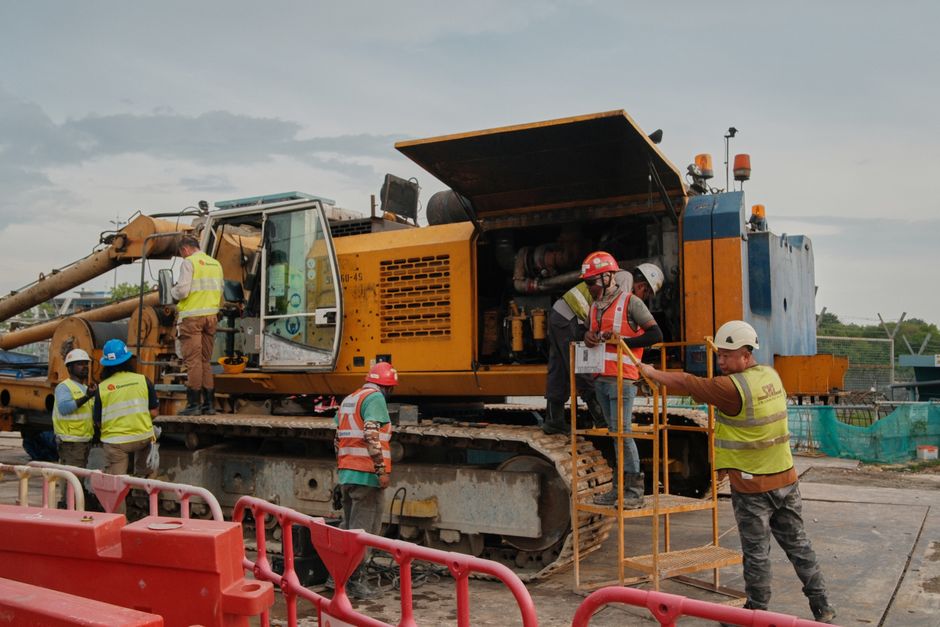
A worker loses fingers to a machine press in March. By October, their colleagues are still flinching every time the press cycles. Nobody filed a form for that.
Food crime in Ireland and the UK is no longer a back-alley problem. It is landing in mainstream supply chains, and businesses that don't know how to spot it are the ones carrying the risk.
The FSA is rebuilding food regulation from the ground up. What looks like paperwork shuffling is actually a shift in how compliance works, and operators who get ahead of it will spend less time firefighting.
Crush injuries and traumatic amputations kill and maim in minutes. Here is what first responders actually need to do when someone is trapped under machinery or a vehicle.
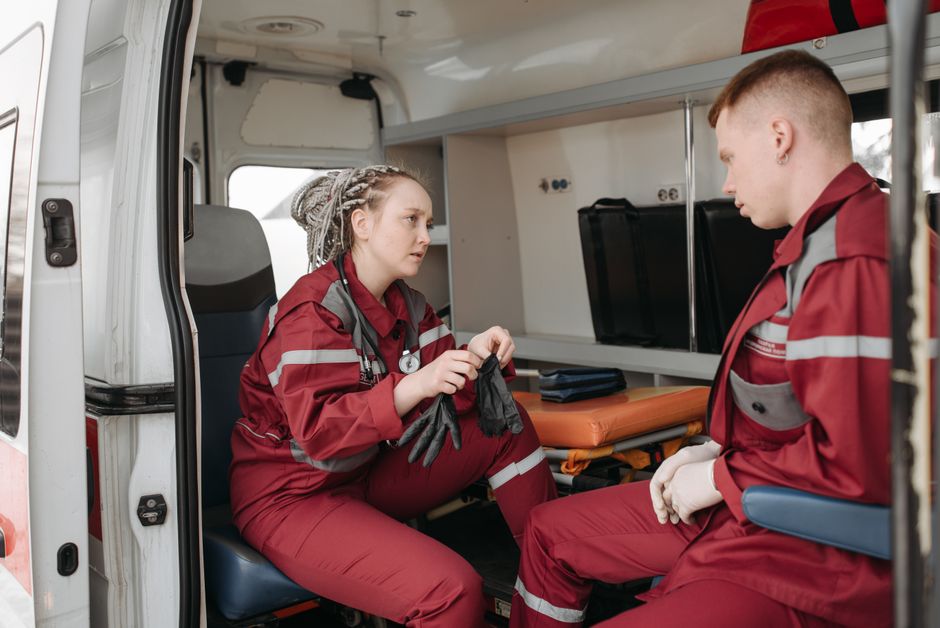
A severe bleed can kill in three to five minutes. The ambulance takes longer than that.
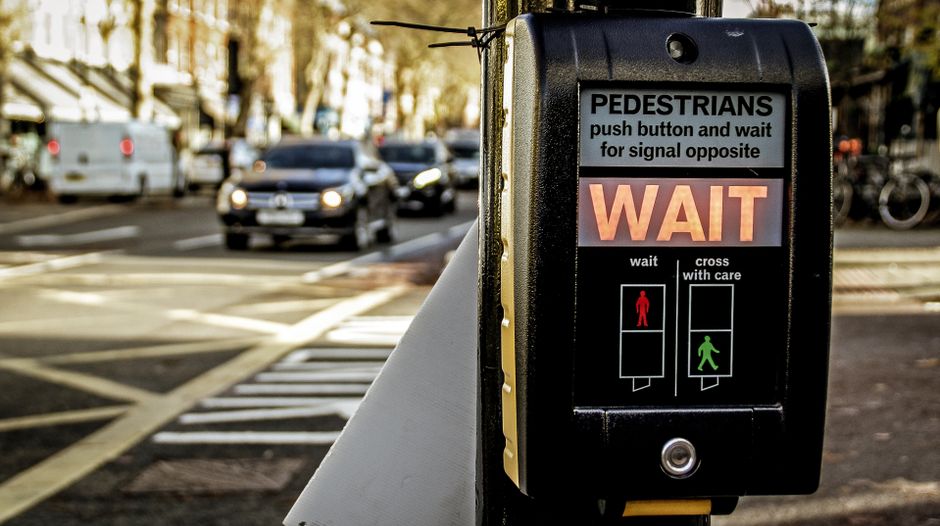
Distracted driving kills more people on Irish roads than speed alone, and the same split-second inattention that causes machinery entrapments on site is what causes motorists to miss a junction at 100km/h. Here is what the research says actually works, and what you can do about it today.
Construction falls kill more workers in Ireland than any other single cause, and "falls are preventable" hasn't stopped a single one. Here's what actually works.
Meade Potato Company paid €150,000 in fines after a worker lost fingers to an unguarded machine. The guard would have cost a fraction of that, and it was already sitting in the building.
A few drinks never hurt anyone. Until they hurt everyone around you.