A severe bleed can kill in three to five minutes. The ambulance is not arriving in three minutes.
That is the gap. That gap is where people die.
Ireland's National Ambulance Service targets an eight-minute response for life-threatening calls in urban areas. Rural sites can wait twenty minutes or more. A worker with a severed femoral artery does not have twenty minutes. They do not have eight. The blood loss that causes irreversible shock can happen before the 999 call even connects.
This is not a scare tactic. It is physiology. And it means that what your colleagues do in the first two minutes of a major bleed determines whether that person is alive when the paramedics walk through the door.
What the Incident Reports Actually Show
Workplace fatality reports from the Health and Safety Authority carry a pattern that should make any safety officer uncomfortable. The injury is survivable. The response is not fast enough. The person on scene has no idea what to do beyond calling for help and applying ineffective pressure with whatever cloth is nearest.
Crushing injuries from machinery. Degloving from conveyors. Penetrating wounds from angle grinders and nail guns. Amputation events on farms and construction sites. These are not exotic edge cases. They are the actual injury profile of Irish workplaces, and every one of them can produce catastrophic blood loss within seconds.
The instinct to do something is there. The skill to do the right thing is usually not. Standard workplace first aid training covers wound dressing, but it does not cover crush injuries and amputations with the depth that hemorrhage control demands. Knowing how to cover a wound is not the same as knowing how to pack one.
The Three Interventions That Actually Work
Hemorrhage control comes down to three techniques. They are learnable in under two hours. Anyone can do them.
Direct pressure, done properly. Not a gentle press with a folded cloth. Both hands, body weight behind them, directly on the wound, held for a minimum of ten minutes without lifting to check. Lifting to check is the most common mistake. Every time you lift, you break the clot that is trying to form.
Wound packing. For deep wounds like stab injuries, gunshot wounds, or traumatic amputations, surface pressure does nothing. The bleeding is happening inside the cavity. You pack the wound with gauze, pushing it in firmly with a finger to fill the space, then apply pressure over the packed material. This sounds confronting. It saves lives. Haemostatic gauze, which is impregnated with a clotting agent, is significantly more effective than standard gauze and costs around twenty euro a roll. Your first aid kit probably does not have it.
Tourniquet application. The tourniquet has a complicated reputation. For decades, first aid guidance treated it as a last resort that risked the limb. That position has been revised substantially, based on military and trauma data showing that early tourniquet use saves lives and that the limb risks are overstated when application is correct. A tourniquet on a limb bleed, applied tight enough to stop arterial flow, buys time. Applied within the first minute of a major limb bleed, it can be the difference between a difficult recovery and a fatality. The key word is tight. A tourniquet that is not tight enough to stop arterial flow gives a false sense of control while the person continues to bleed.
Who Needs This Training
The standard answer is your designated first aiders. The correct answer is everyone.
A first aider is often not the nearest person to an incident. The nearest person is a colleague with no training who will stand there in a state of controlled panic while trying to remember if they should call 999 before or after doing something useful. That is not a criticism. It is what happens when people encounter catastrophic bleeding without preparation.
The Stop the Bleed programme, developed in the United States and now running through training providers in Ireland, is specifically designed for bystanders with no medical background. A two-hour course. Three skills. Enough to keep someone alive until the professionals arrive.
Construction sites, farms, manufacturing facilities, warehouses, and any workplace operating cutting or crushing equipment should treat this as a baseline competency, not a bonus. Machinery incidents on farms generate some of the most severe traumatic injuries in Irish workplaces. The workers around when it happens are not first aiders. They are just whoever was standing nearby.
What Goes in the Kit
Training without equipment is a rehearsal for failure. Your workplace needs hemorrhage control supplies staged where the risk is.
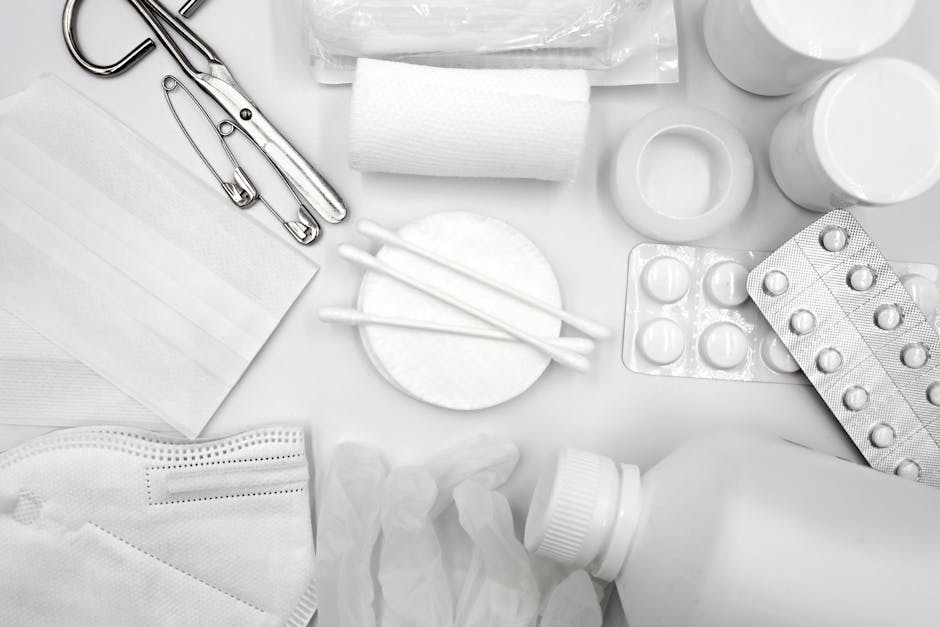
At minimum: a tourniquet (CAT or SOFTT-W are the standard choices, avoid cheap imitations), haemostatic gauze, compressed gauze or a trauma dressing, and gloves. Pack it in a separate bag, clearly marked, not buried in a standard first aid kit between the plasters and the eye wash.
Inspect it quarterly. Replace anything used in a drill. Make sure the people who work near the kit know exactly where it is. Seconds matter here in a way that they do not for most first aid scenarios.
One Number Worth Knowing
The Hartford Consensus, the framework that underpins civilian hemorrhage control training globally, estimates that up to 20% of trauma deaths are potentially preventable with immediate bleeding control. That is one in five. Not through advanced medical intervention. Through basic physical actions that anyone in the building could perform if they knew how.
One in five is not a rounding error. It is a mandate.
The ambulance is coming. It will get there when it gets there. What happens before it arrives is on whoever is standing in the room, which means the only responsible thing is to make sure those people can do something useful with their hands.
Get the training. Stock the kit. Run a drill. The three minutes you practise for are the three minutes that count.